


 13 / 21

A N N U A L A C T I V I T I E S R E P O R T 2 0 1 6 | 1 3
BURKINA FASO
Context and Challenges
Burkina Faso is a low-income landlocked Sub-Saharan country. Despite the abundance of natural resources, Burkina
Faso remains one of the poorest countries in the world today with almost the entire population living below the poverty
line. In other words, the majority of people in Burkina Faso today live with less than $1.25 per day. Access to sanita-
tion and electricity is scarce, while insufficient investment in education and infrastructure make any development
gains hard to maintain.
Droughts and desertification have severe effects in these parts of the world negatively affecting agricultural activi-
ties. Other factors such as overpopulation, overgrazing of farm animals, deforestation, etc., continue to boost soil
degradation and environmental deterioration, and also adversely affect agricultural output in the country leaving
many in absolute poverty. Poverty is especially severe in rural areas where the majority of the population lives.
Burkina Faso has the lowest literacy rate in the world. The country’s adult male literacy rate is about 40%. Female
literacy rate is even worse at 29% which also contributes to the high teenage pregnancy rates and extremely high
levels of poverty in the country .
2
[2]
Source: CIA World Factbook 2017
Pistorio Foundation’s Presence In The
Country
Boulkiemdè Village Project
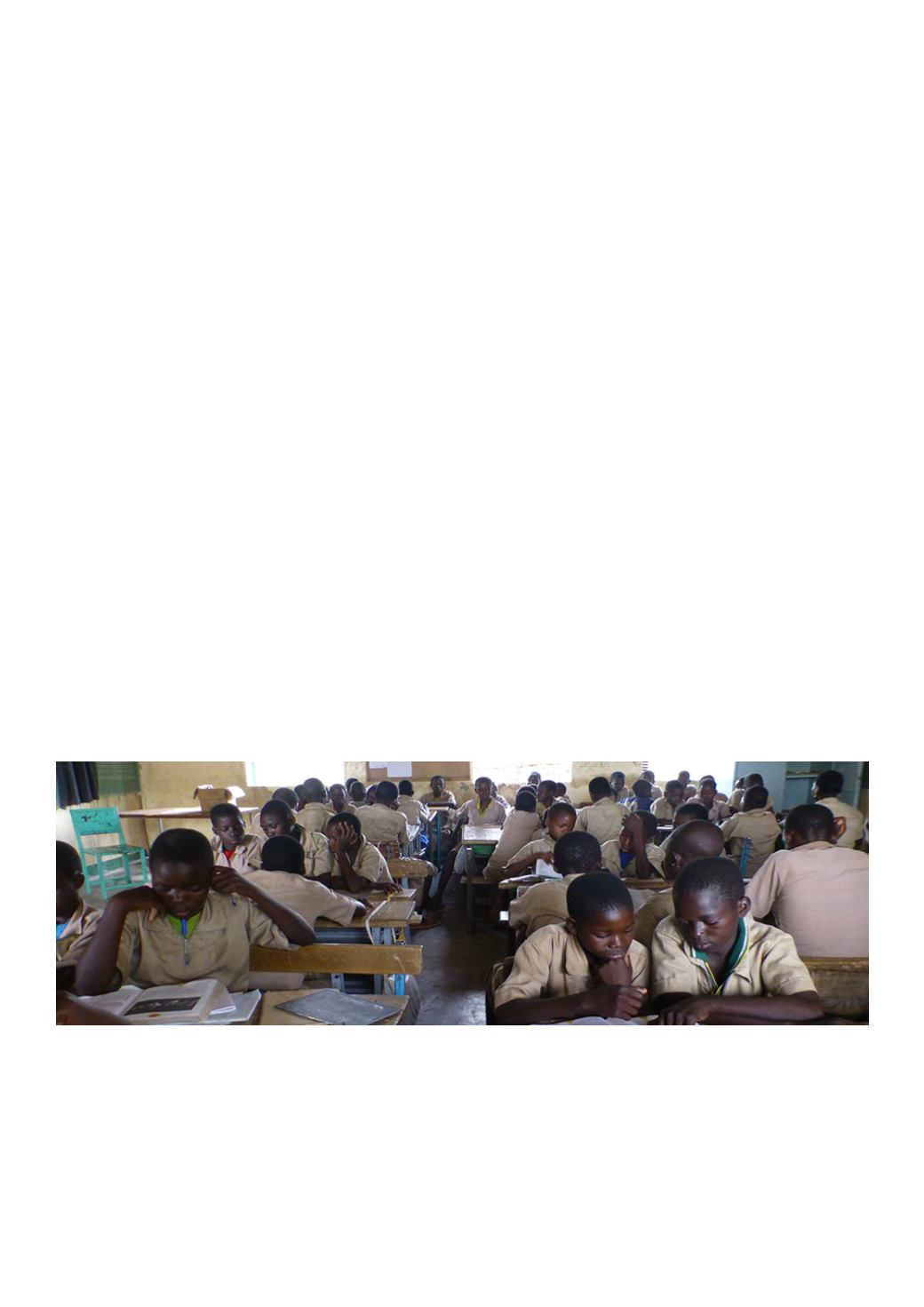
In 2006, Pistorio Foundation partnered with Centro Italiano Aiuto All’Infanzia (CIAI), to intervene in the country with a
specific project dedicated to support the education of 119 unprivileged students from the rural region of Boulkiemdé.
The key scope of the intervention was to improve the enrollment rates in the region, along with access to basic health
care, nutrition and hygiene training.
Aware of the lack of sufficient infrastructure in the national education system and particularly in rural areas of the
country, the Foundation’s activity grew in 2007 with the construction of improved facilities in the Primary School of
Nibagdo, involving the expansion of the school with new classrooms and with sanitation facilities, canteen, and
kitchen. In 2009, the Foundation further embarked in a significant regional project creating a large secondary school
in the nearby village of Sogpelcé that could serve a dozen of the surrounding villages, including Nibagdo, and hold
over 500 students. The project was further expanded in 2015, when the Foundation, together with other donors, built
three new classrooms and completed the electric and water systems.