


 10 / 21

1 0 | A N N U A L A C T I V I T I E S R E P O R T 2 0 1 6
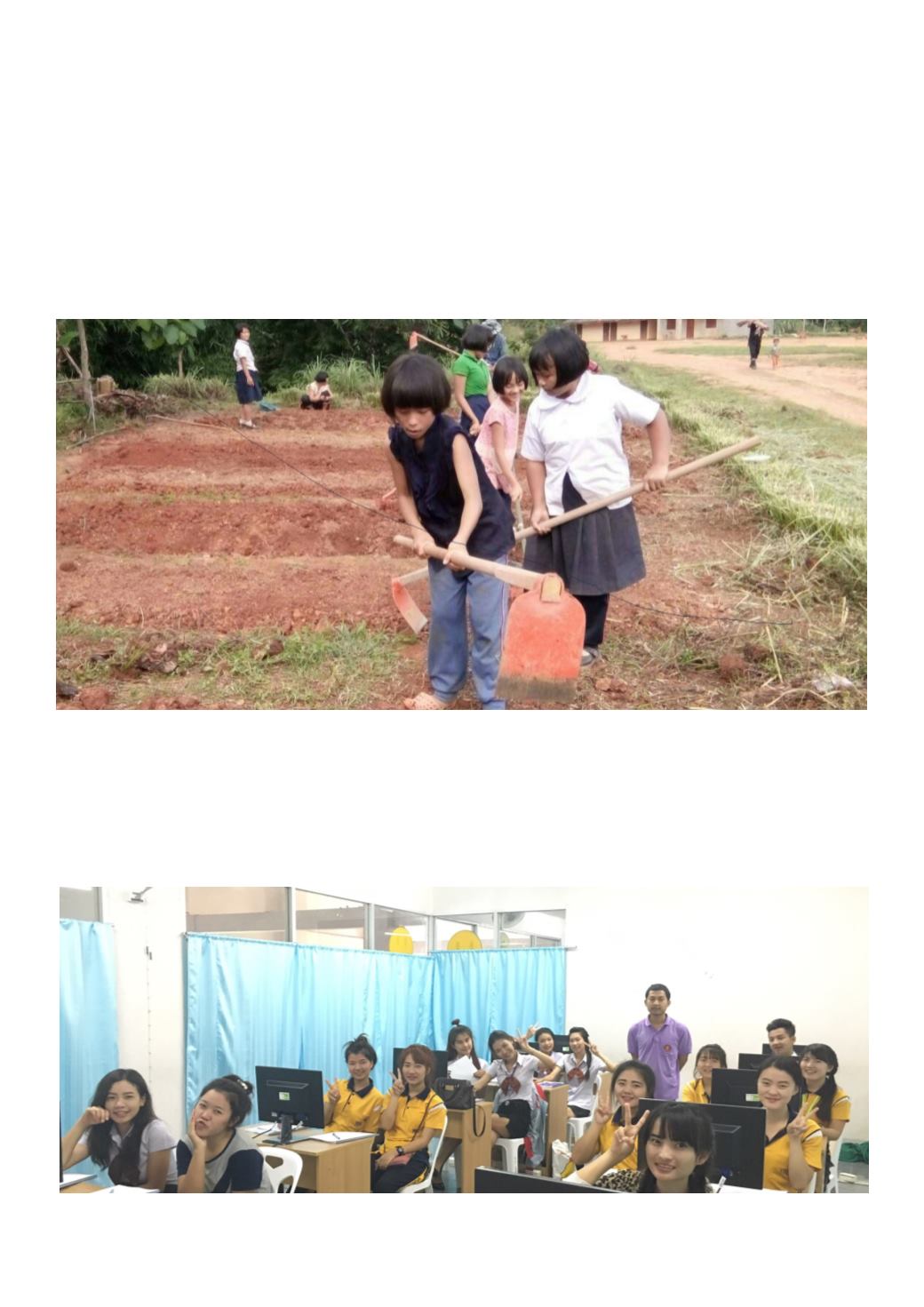
These initiatives have been completed, in selected locations, with the multidisciplinary school garden project. The key
idea is to teach hill-tribe children from a young age how to cultivate and produce food that can be then consumed
for the school canteen meals. The project fulfills multiple purposes including integrating the school curricula; improving
self-sustainability of village schools through the active participation of its main stakeholders - children and school
staff; introduce children to agriculture and skills that they may develop in the future and use as potential sources of
income; improve overall health and nutrition of the community through the cultivation and consumption of fresh and
organically grown food; increase awareness within the community of the importance of environmental protection
issues and respect of the soil and land through organic agricultural methods.
In 2016 we launched a partnership with STMicroelectronics Foundation in order to allow our professional school
beneficiaries the possibility of attending computer classes. The Digital Unify program, that we propose through this
collaboration, has the aim of delivering basic Information Technology skills and notions through a 20-hour course where
the students can become acquainted with and learn how to independently use IT tools for educational purposes.
The students are also allowed access to the computer facility outside course hours and after the completion of the
course, in order to use these tools, consolidate their newly acquired skills, and access the web.
New Informatics class set up with the support of the STMicroelectronics Foundation
TStudents in Huay Kuk Village working in the village school garden plantations